

Hawaiian-Style Grilled Cheese Recipe
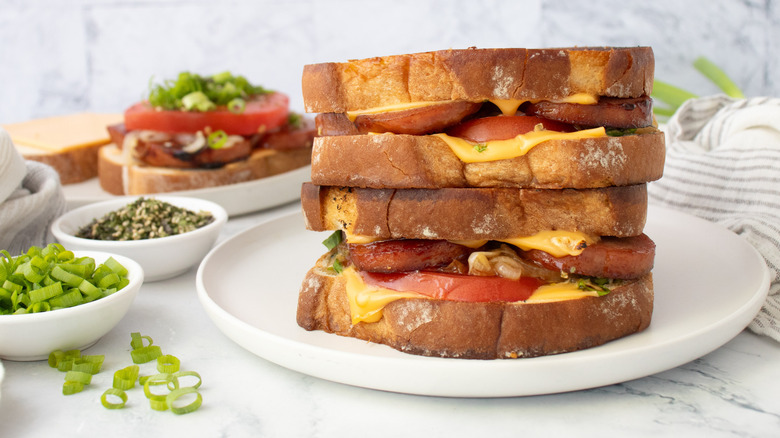
Hawaiian cuisine is a delicious amalgamation resulting from centuries of outside influences, including those from mainland United States, China, Japan, Portugal, the Philippines, and Korea. You'll also find plenty of Polynesian influence, along with simple inspiration from the natural, edible flora and fauna of the islands. This colorful food fusion makes for some truly spectacular recipes — ones richly flavored, robustly aromatic, and often possessing a brilliant sweet and savory balance. In this Hawaiian-style grilled cheese recipe, I pulled inspiration from Hawaii's broad spectrum of cuisine, resulting in a positively delicious, savory, and slightly over-the-top handheld.
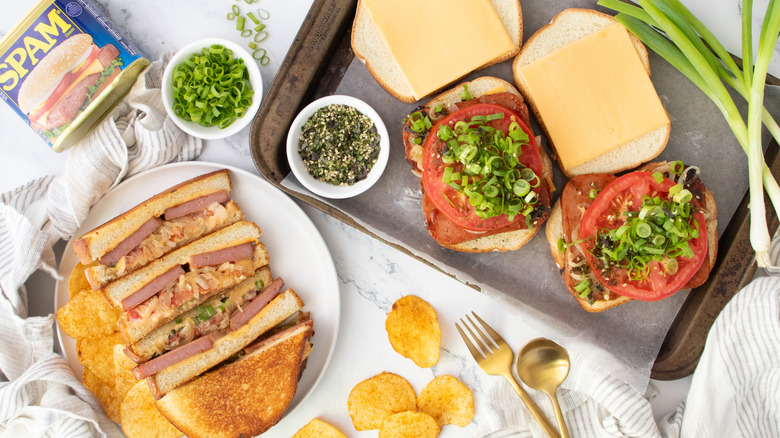
The first major element of this fully-loaded Hawaiian grilled cheese is the musubi-inspired Spam layer. The Spam soaks in a marinade of soy sauce, hoisin, sriracha, and sesame oil before getting some light caramelization action in a skillet. The second layer is lomi lomi salmon inspired; we skip the fish but keep the garlicky onion, tomato, and fresh scallion elements, along with a hearty pinch of sea-salty furikake seasoning. All of these tasty elements are nestled between two slices of American cheese (for maximum melty appeal) and two slices of well-buttered white bread for a crisp, golden brown, ooey-gooey finish.
Gather the Hawaiian-style grilled cheese ingredients
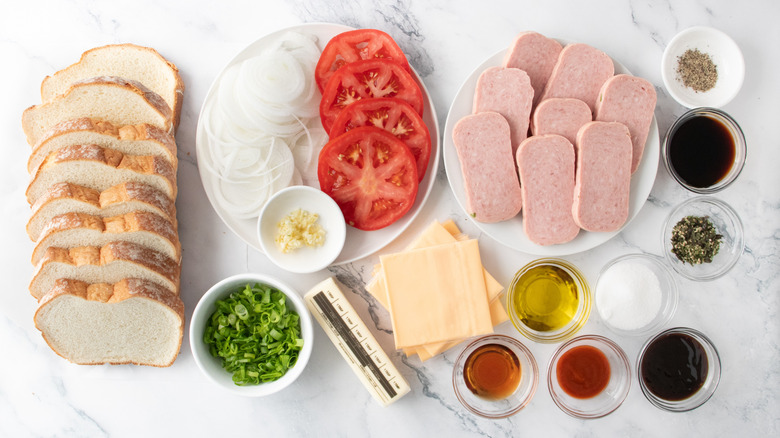
For the marinade and the Spam, you will need soy sauce, hoisin sauce, granulated sugar, toasted sesame oil, sriracha, black pepper, and one can of classic Spam.
For the toppings and the assembly of the grilled cheese sandwiches, you will need olive oil, white onion, garlic, thick slices of white bread, unsalted butter, American cheese (Kraft singles will work great here), an heirloom tomato, fresh scallions, and furikake seasoning.
Step 1: Make the marinade
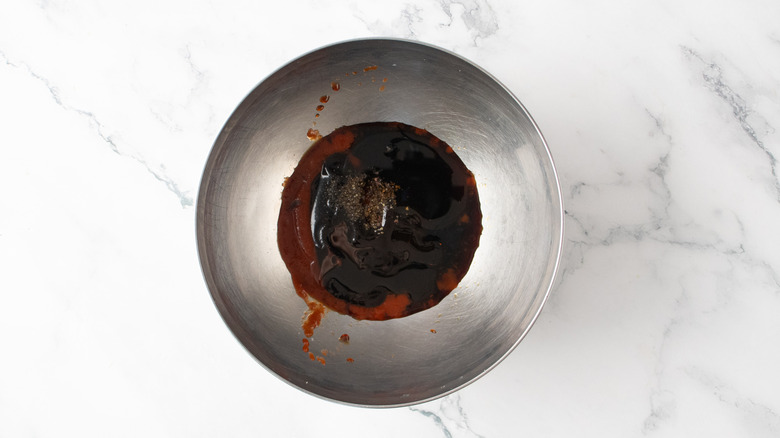
Make the marinade by placing soy sauce, hoisin sauce, sugar, sesame oil, sriracha, and black pepper in a medium bowl. Whisk to combine.
Step 2: Arrange the Spam slices on a plate
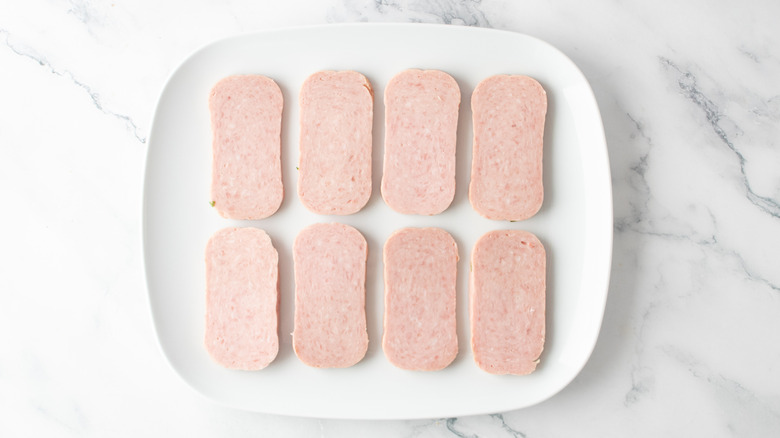
Place the Spam slices on a large plate or platter in a single, even layer.
Step 3: Marinate the Spam
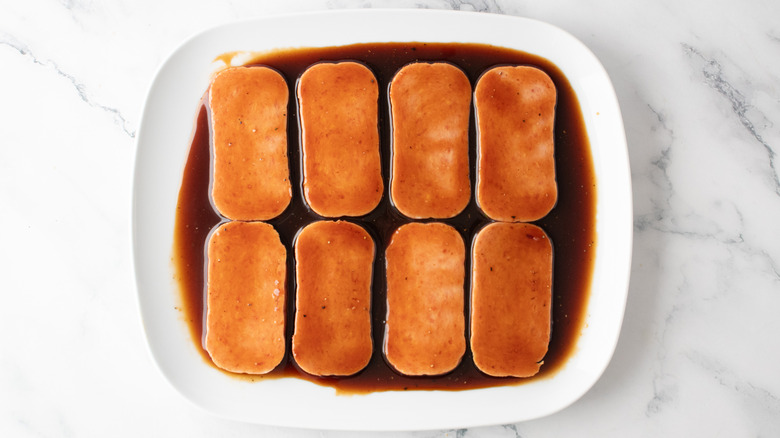
Pour the marinade over the Spam slices, coating completely. Cover and refrigerate for 20 minutes.
Step 4: Heat olive oil in a skillet
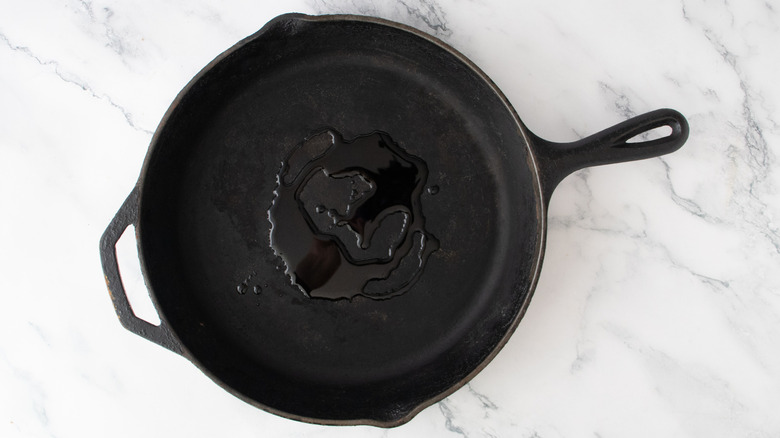
Once the Spam has marinated, heat 1 ½ tablespoons of olive oil in a large skillet over medium heat.
Step 5: Place the Spam in the skillet
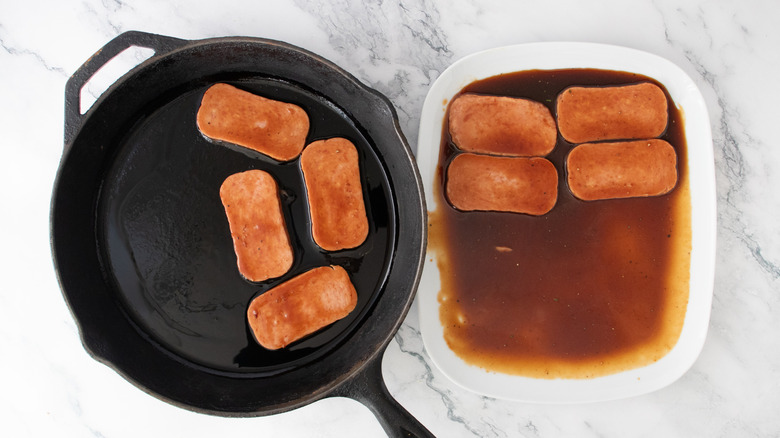
Remove the Spam from the marinade, letting any excess drip off, and place in the skillet.
Step 6: Sear the Spam
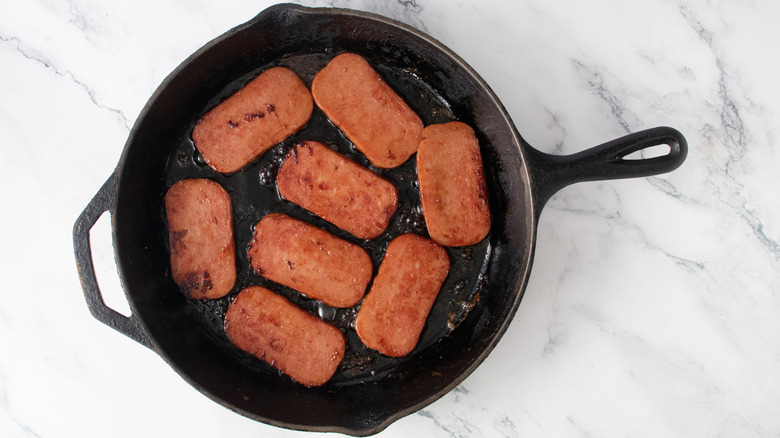
Cook for 2 to 3 minutes per side, or until the Spam is lightly caramelized and seared.
Step 7: Remove the Spam and wipe the skillet clean
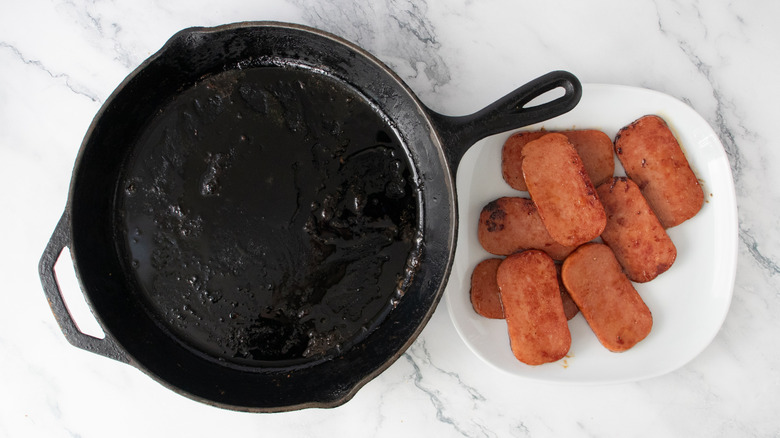
Remove the seared Spam from the skillet and set aside. Wipe the skillet clean with paper towels.
Step 8: Heat the remaining olive oil
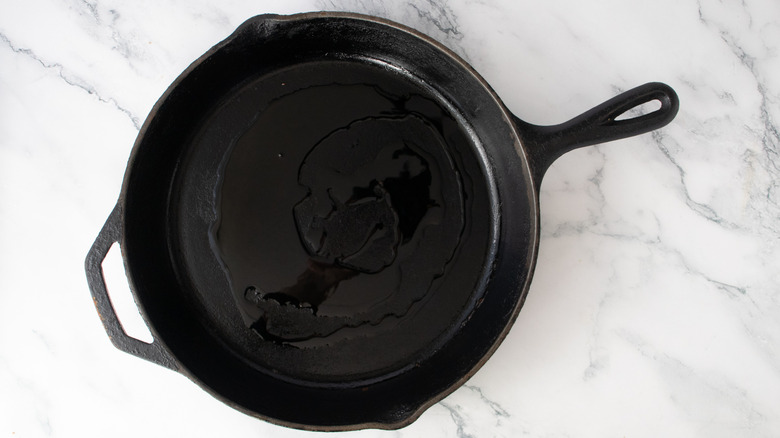
Add the remaining olive oil to the skillet and heat over medium.
Step 9: Saute the onion and garlic
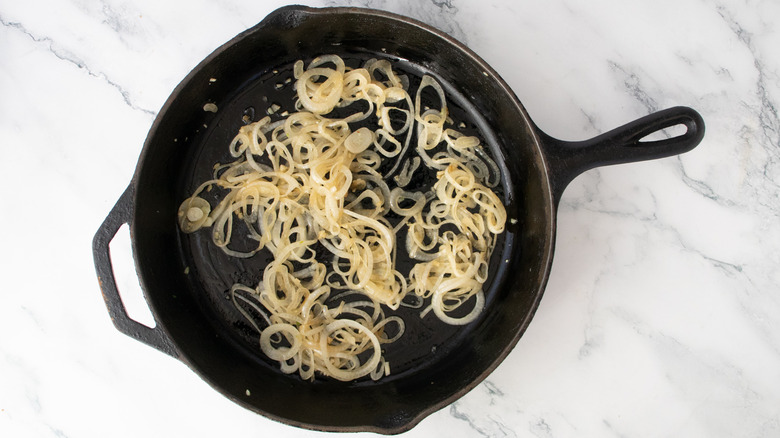
Once hot, add the onion and garlic to the skillet and saute for 5 minutes, or until tender.
Step 10: Set the onion and garlic aside
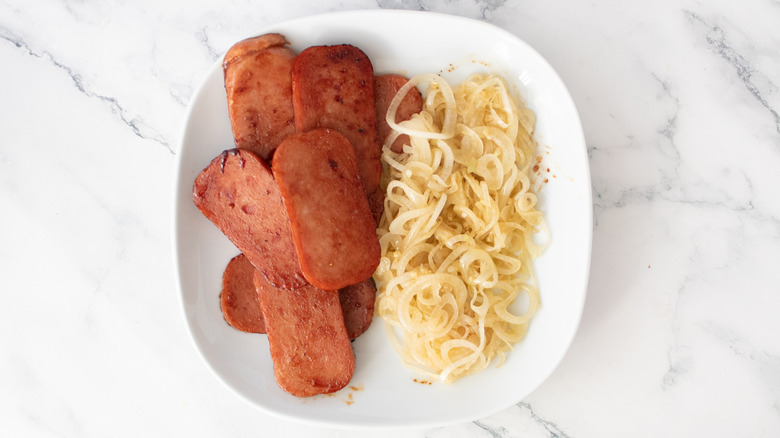
Remove the onion and garlic from the skillet and set aside with the Spam.
Step 11: Butter the bread
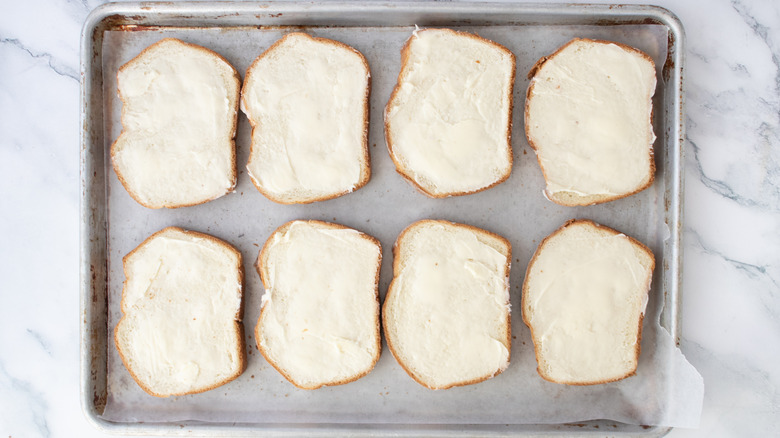
Place the bread slices on a large sheet of wax paper and spread with butter, about 1 tablespoon per slice.
Step 12: Flip the bread over
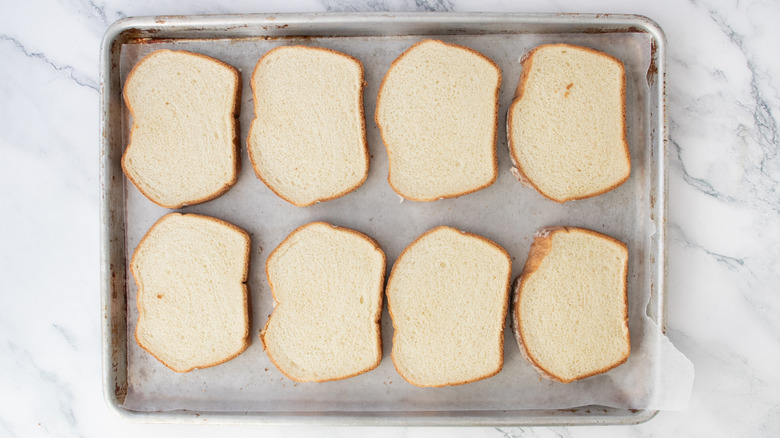
Flip the bread slices over, so they sit butter-side down.
Step 13: Top each bread slice with American cheese
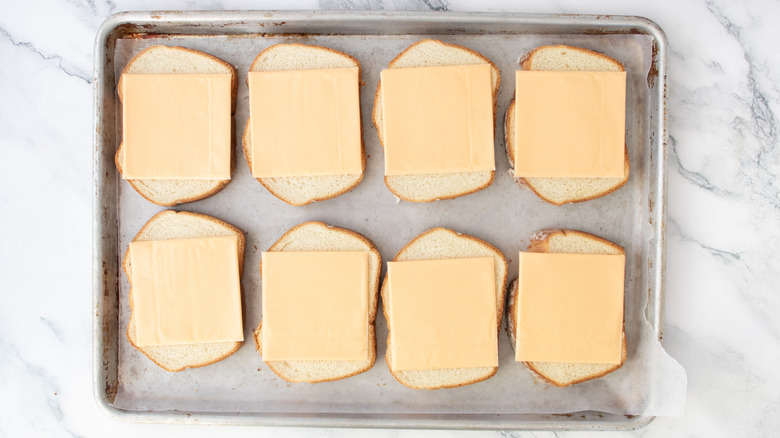
Top each bread slice with American cheese.
Step 14: Top some bread slices with seared Spam
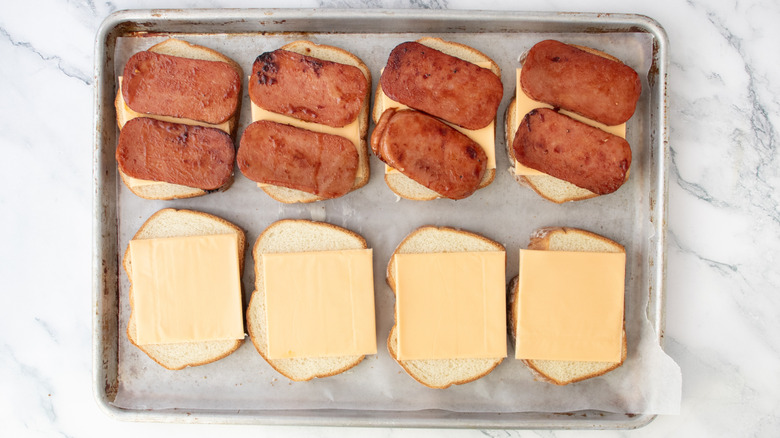
Top 4 of the bread slices with the seared Spam (2 pieces each).
Step 15: Add the onions and tomato
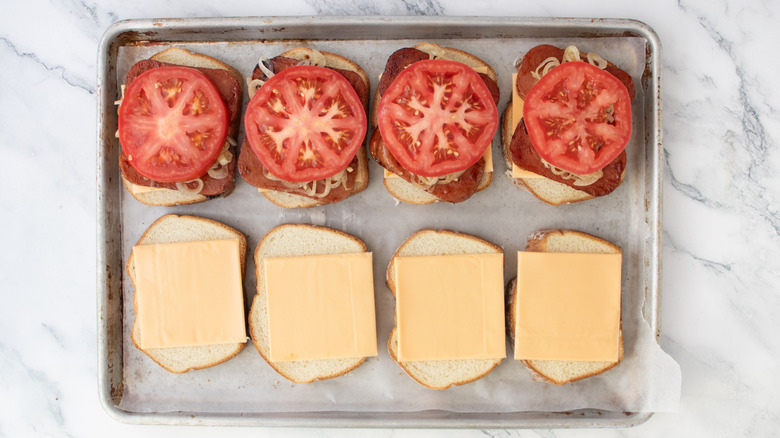
Top the Spam with the sauteed onion and garlic, then add the tomato slices.
Step 16: Add the scallions and furikake
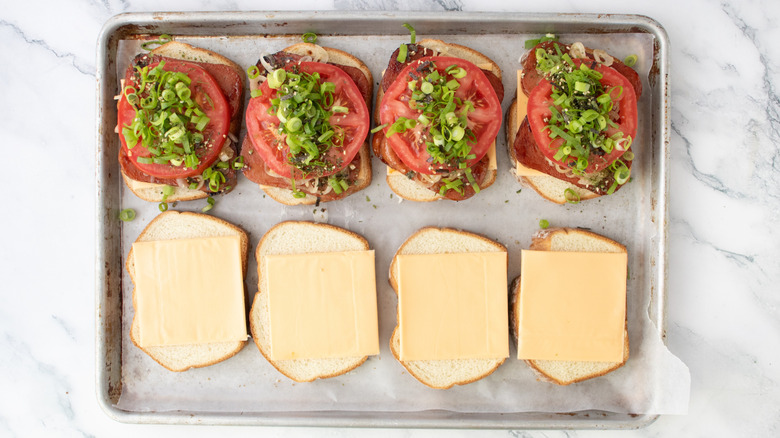
Sprinkle the tomatoes with chopped scallions and furikake seasoning.
Step 17: Cap the sandwiches
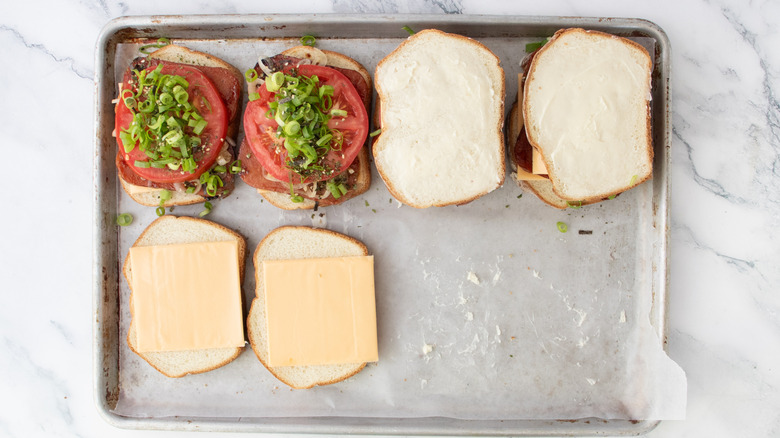
Cap the sandwiches with the remaining bread slices, butter-side up.
Step 18: Preheat the skillet
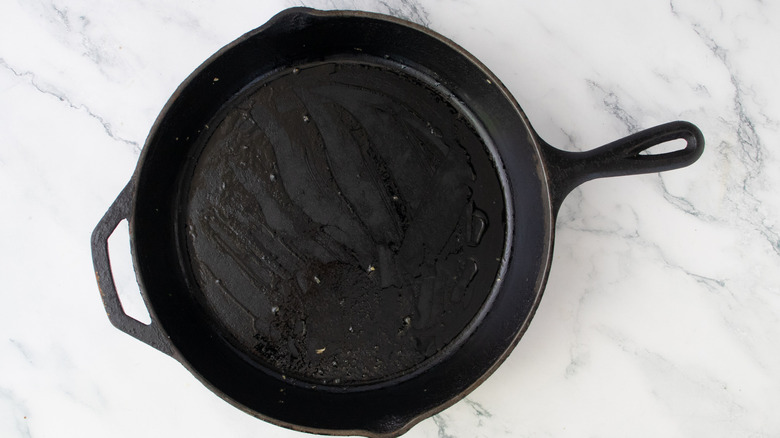
Return the skillet to medium heat.
Step 19: Place some of the sandwiches in the skillet
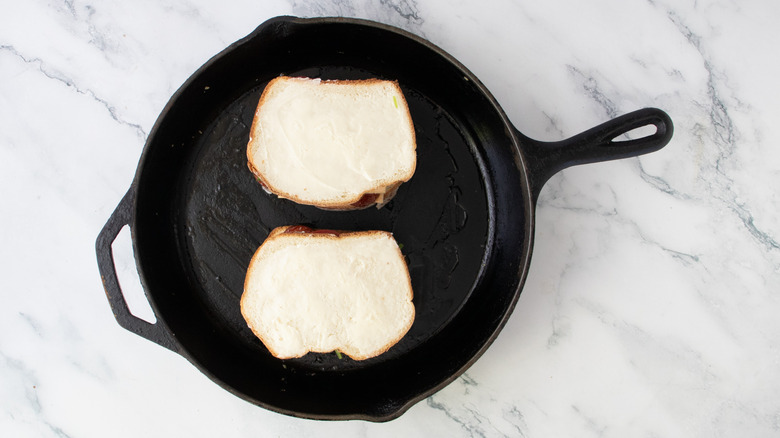
Once hot, working in batches if necessary, place the sandwiches into the skillet.
Step 20: Toast the sandwiches
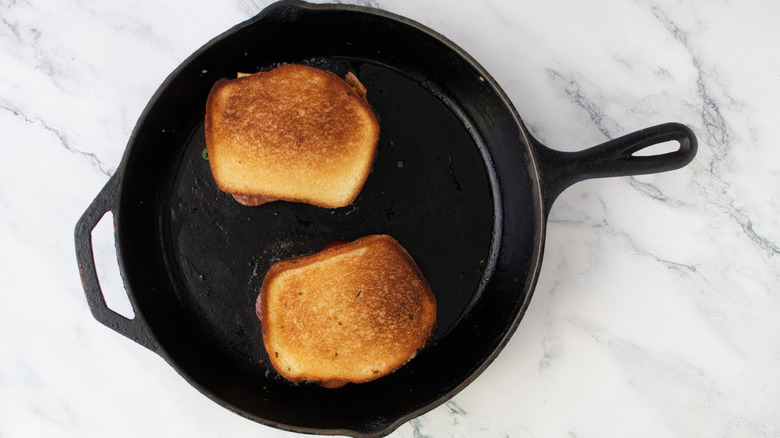
Cook for 2 to 3 minutes per side or until golden, toasted, and melty.
Step 21: Repeat the cooking process, then serve the Hawaiian grilled cheese sandwiches
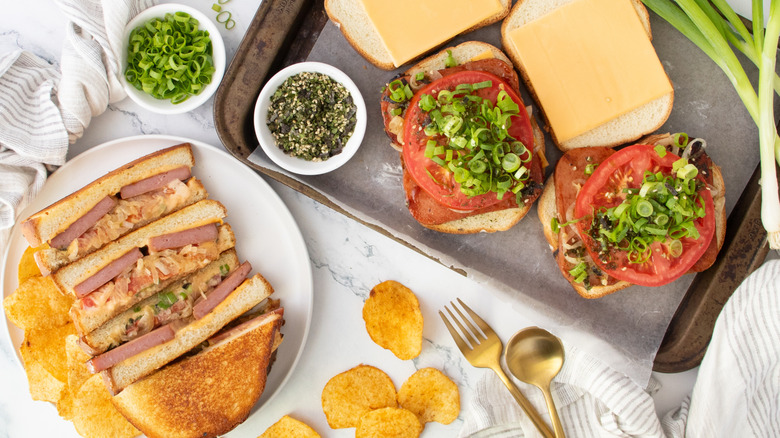
Repeat the cooking process with any remaining sandwiches before serving right away.
What to serve with Hawaiian-style grilled cheese
Hawaiian-Style Grilled Cheese Recipe
Our Hawaiian grilled cheese recipe features a Spam musubi-inspired layer along with melty American cheese, heirloom tomato slices, and furikake seasoning.
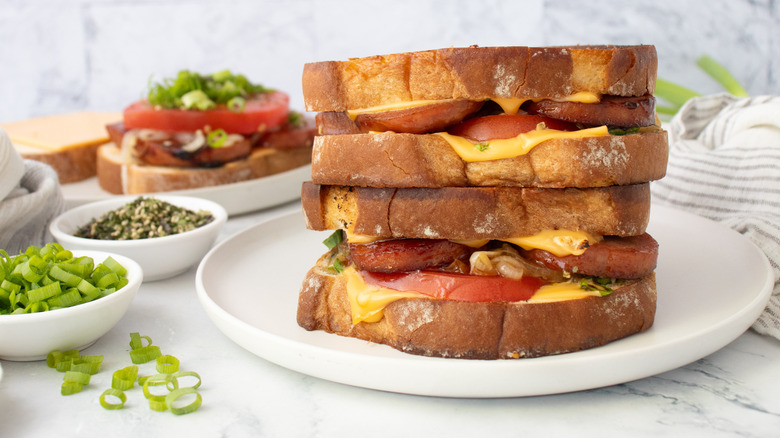
Ingredients
- For the marinated Spam
- 3 tablespoons soy sauce
- 3 tablespoons hoisin sauce
- 3 tablespoons granulated sugar
- 2 teaspoons toasted sesame oil
- 2 teaspoons sriracha
- ⅛ teaspoon black pepper
- 1 can (12 ounces) Spam, sliced into 8 portions
- For cooking the Spam, onion, and garlic
- 3 tablespoons olive oil, divided
- 1 cup sliced white onion
- 1 garlic clove, peeled and minced
- For assembling the sandwiches
- 8 slices thick white bread
- 1 stick (8 tablespoons) unsalted butter, softened
- 8 slices American cheese
- 1 heirloom tomato, sliced
- ½ cup chopped fresh scallions
- 2 teaspoons furikake seasoning
Directions
- Make the marinade by placing soy sauce, hoisin sauce, sugar, sesame oil, sriracha, and black pepper in a medium bowl. Whisk to combine.
- Place the Spam slices on a large plate or platter in a single, even layer.
- Pour the marinade over the Spam slices, coating completely. Cover and refrigerate for 20 minutes.
- Once the Spam has marinated, heat 1 ½ tablespoons of olive oil in a large skillet over medium heat.
- Remove the Spam from the marinade, letting any excess drip off, and place in the skillet.
- Cook for 2 to 3 minutes per side, or until the Spam is lightly caramelized and seared.
- Remove the seared Spam from the skillet and set aside. Wipe the skillet clean with paper towels.
- Add the remaining olive oil to the skillet and heat over medium.
- Once hot, add the onion and garlic to the skillet and saute for 5 minutes, or until tender.
- Remove the onion and garlic from the skillet and set aside with the Spam.
- Place the bread slices on a large sheet of wax paper and spread with butter, about 1 tablespoon per slice.
- Flip the bread slices over, so they sit butter-side down.
- Top each bread slice with American cheese.
- Top 4 of the bread slices with the seared Spam (2 pieces each).
- Top the Spam with the sauteed onion and garlic, then add the tomato slices.
- Sprinkle the tomatoes with chopped scallions and furikake seasoning.
- Cap the sandwiches with the remaining bread slices, butter-side up.
- Return the skillet to medium heat.
- Once hot, working in batches if necessary, place the sandwiches into the skillet.
- Cook for 2 to 3 minutes per side or until golden, toasted, and melty.
- Repeat the cooking process with any remaining sandwiches before serving right away.
Nutrition
| Calories per Serving | 872 |
| Total Fat | 60.8 g |
| Saturated Fat | 26.9 g |
| Trans Fat | 0.0 g |
| Cholesterol | 152.1 mg |
| Total Carbohydrates | 53.1 g |
| Dietary Fiber | 4.1 g |
| Total Sugars | 19.5 g |
| Sodium | 2,481.1 mg |
| Protein | 30.0 g |

What are some tips for working with Spam?

Spam is a very versatile and forgiving ingredient to cook with. It sears perfectly, takes on various marinades with ease, and is delightfully rich and savory. It crisps wonderfully too, creating an even and more desirable texture than when it's straight from the can (though you can eat it straight from the can — it's already fully cooked).
Slicing is simple, and the key for this recipe is trying to get your slices as even as possible. Once you release the Spam from it's tin, slice it into eight portions, since each sandwich gets two slices. Since Spam is already pretty flavorful (not to mention salty) on its own, I recommend marinating it for no longer than 30 minutes. We want to gently impart those Pan-Asian flavors, not robustly infuse, and we definitely want to avoid going overboard on the salt content.
For searing, keep an eye on the heat level. The sweetness of our marinade might cause the Spam to caramelize too quickly and burn. This isn't one of those situations where flipping multiple times is a negative. Flip and keep flipping the Spam slices until they are crispy and lightly caramelized on both sides.
What else could I do with the marinade?
The Spam marinade in this recipe is a classic sweet, savory, umami combination of ingredients: soy sauce, hoisin, granulated sugar, sesame oil, sriracha, and black pepper. The sriracha is not overwhelmingly spicy, more akin to an acid pepperiness that balances the sweeter components at play. This marinade is slightly modified from its musubi-inspired origins, as it uses hoisin instead of oyster sauce and features those sriracha and black pepper additions. These swaps were intentional, as a way to balance the other elements of the grilled cheese while still staying true to that Hawaiian-inspired approach.
While this marinade does work exceptionally well with rich and savory Spam, it would also work with plenty of other proteins and ingredients. Seafood, and especially fattier fin fish like salmon, tuna, trout, or mackerel, would work wonderfully here. The saltiness of the marinade would help cut the natural oils of the fish, while the sweeter elements would help create a lovely caramelized crust. Pork, chicken, and mushrooms are also great marinade candidates. You can marinate these ingredients longer than the Spam, about 1 to 2 hours, depending on the size, thickness, and amount you're working with.